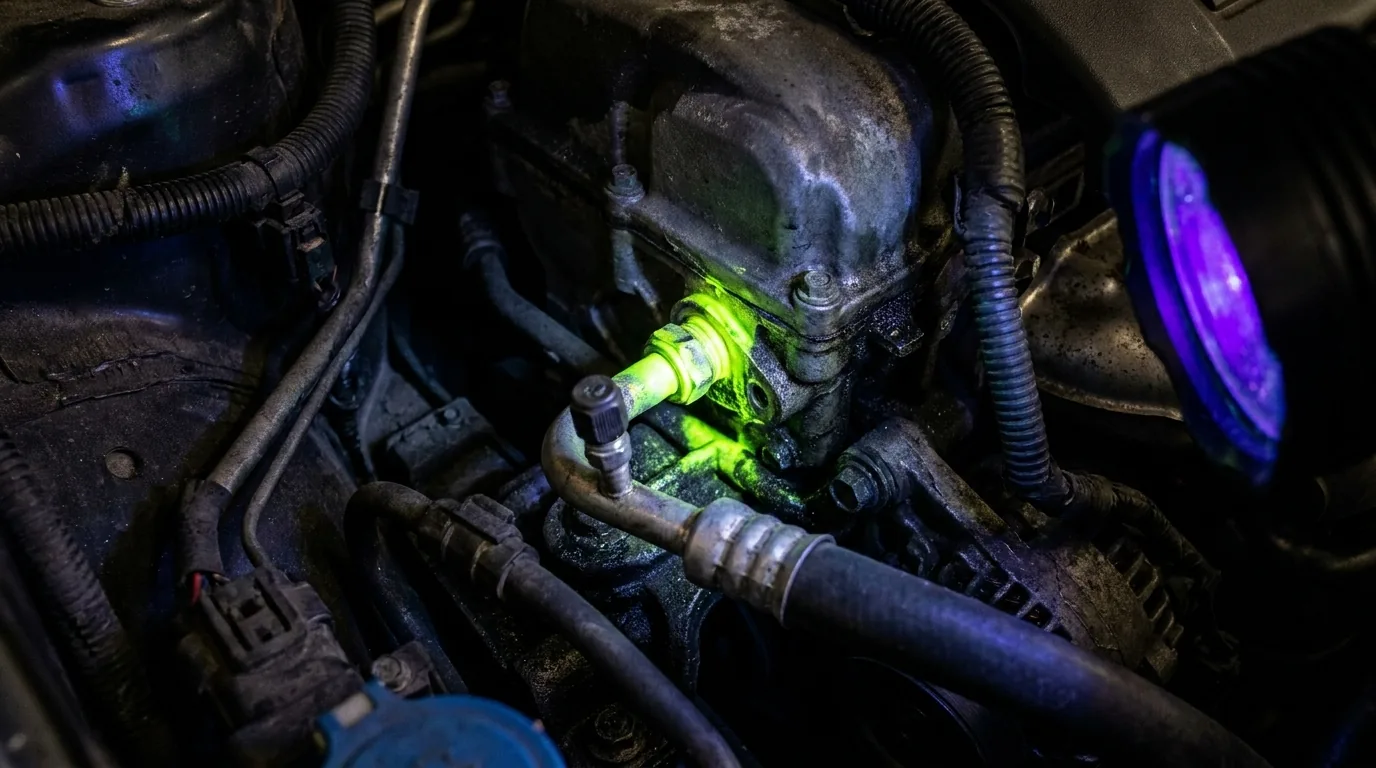
If your AC is still blowing warm after a recharge, the refrigerant that was added has leaked back out - which means the real problem is a refrigerant leak that was never fixed. A recharge is not a repair. It is adding refrigerant to a system. If the system has a leak, the refrigerant will escape again and the AC will stop cooling again, typically within days, weeks, or months depending on the size of the leak. Getting recharged repeatedly without finding and fixing the leak is throwing money at refrigerant.
What a Recharge Actually Does
A refrigerant recharge refills the AC system to the correct operating pressure and refrigerant weight. It does not seal leaks, repair compressors, fix electrical problems, or address any other cause of AC failure. A recharge is appropriate when a system has lost a small amount of refrigerant over years of normal permeation - a slow loss that occurs in all systems over time. It is not appropriate as a repeated fix for a system with an active leak. The fix for a leaking system is finding the leak and repairing it.
Compressor Shaft Seal
The compressor is the pump at the center of the AC system and it has a rotating shaft that the drive belt turns. The seal where that shaft exits the compressor body is a common failure point on high-mileage vehicles. When the seal deteriorates, refrigerant escapes past it. You may see an oily residue on the compressor near the front bearing. The fix is compressor replacement in most cases, since the shaft seal is not typically serviceable independently.
Condenser Damage
The condenser sits at the front of the car, just ahead of the radiator. It is exposed to road debris - small rocks, gravel, and road surface material that comes off the highway. On Long Island highways where road surface deterioration is common, condenser punctures and corrosion from road salt are frequent causes of AC leaks. The condenser is reachable and replaceable, and the leak is often visible as an oily residue on the fins.
O-rings, Fittings, and Hose Connections
Every connection point in the AC system has an O-ring seal. O-rings dry out and crack over years of heat cycling. A Schrader valve fitting (the service port where refrigerant is added) can develop small leaks from valve core wear or damage. High-pressure hose fittings can develop seepage. These leaks are often slow - the system loses refrigerant over months rather than days - which makes them harder to pinpoint without proper UV dye leak detection or an electronic refrigerant sniffer.
When the Recharge Worked Briefly, Then Stopped
If the AC blew cold for a few days after the recharge and then gradually stopped cooling, the compressor may be the primary issue rather than a simple leak. Compressor clutch failure causes gradual loss of cooling as the clutch slips and stops engaging reliably. Internal compressor wear reduces the compression needed to move refrigerant through the system. Compressor failure can also send metal debris through the system, which contaminates the expansion valve and other components and requires system flushing in addition to compressor replacement.
How We Find the Leak
At Broadway Servicenter in Garden City, we use UV dye leak detection and electronic refrigerant detectors to locate the source of the leak before recommending parts or repairs. Some leaks are immediately visible - oily residue at a fitting or on the condenser fins. Others require the system to be charged and pressurized to make them detectable. We do not add refrigerant to a leaking system without finding the source.
When the AC Did Not Work at All After the Recharge
If the AC was recharged and blew warm immediately or within a few hours, the leak is significant. The system is not holding pressure long enough to cool. At that point, adding more refrigerant without leak repair is not productive. The system needs to be evacuated, the leak found and repaired, and then recharged properly.
Long Island Summers and AC - Plan Ahead
Nassau County summers are humid and hot. AC on the LIE or the Meadowbrook at 5pm in August is not optional equipment for most people. Getting ahead of an AC problem in April or May - before the heat season - means faster service, better parts availability, and not sitting in traffic in 90-degree heat. If your AC was weak last summer, have it diagnosed in the spring, not in July when every shop in Garden City is backed up.
If your AC was recharged somewhere and is not staying cold, bring it to Broadway Servicenter. We diagnose the cause before adding refrigerant. 640 Old Country Road, Garden City. Call (516) 681-0122.
We find the leak before adding refrigerant. Broadway Servicenter in Garden City, NY - 640 Old Country Road.
☎ Call (516) 681-0122 Book Online
Mon - Fri: 8:00am - 5:00pm
Saturday: 8:00am - 3:00pm
Sunday: Closed